
The Role of Community in Suicide Prevention
This blog discusses suicide, suicidal thoughts and bereavement by suicide. Details of organisations that can offer support are included at the end.
blog by Pause & Breathe co-founder Susie Hooper
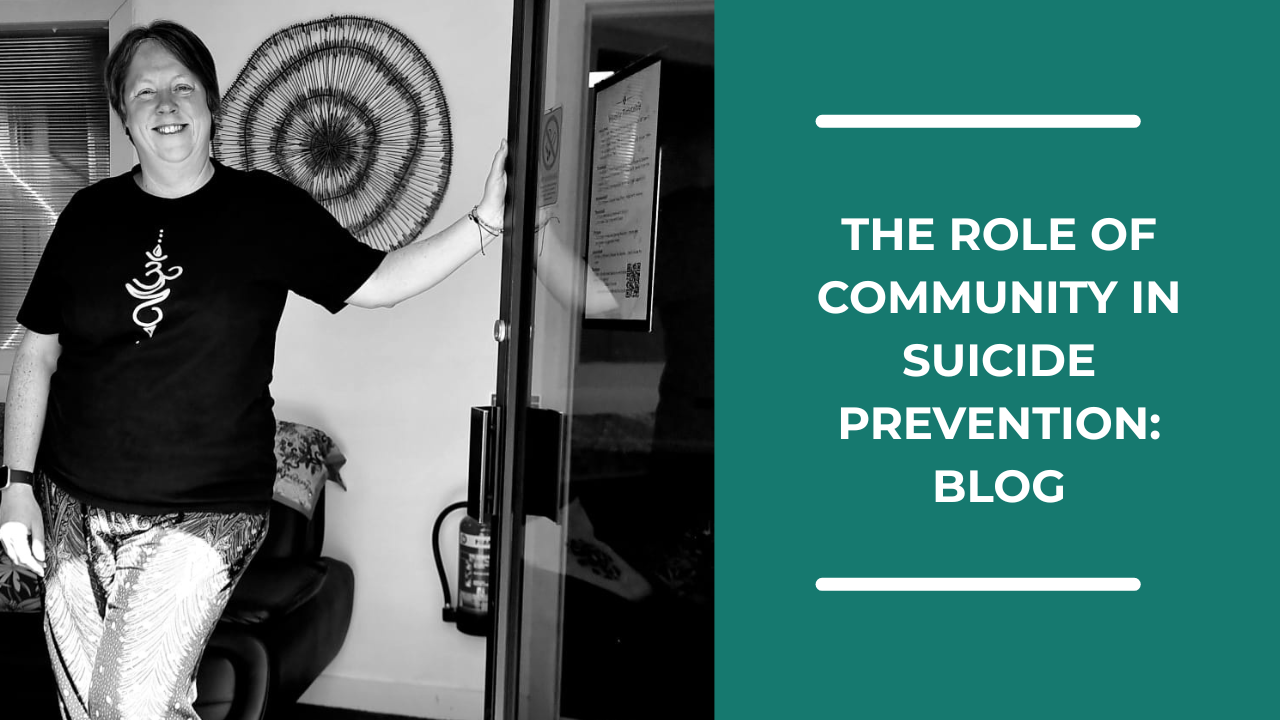
An image of Susie - Pause & Breathe CEO - stood in the doorway of The Place to Pause & Breathe in Bonnybridge
Today is World Suicide Prevention Day, and on Tuesday night, I attended a screening of What I Want You to Know, a new film from Suicide Prevention Scotland.
The film shares the story of Phil Wanless and his son Fraser, who died by suicide in 2021. As Phil reflects on Fraser’s life and what he may have been experiencing, the film explores trauma, relationships, substance use, isolation and suicide.
It was a difficult film to watch, as you might expect, but an incredibly important one.
One of the messages I took away was that, if we leave it until someone is at crisis point before we talk about suicide, we may already have left it too late.
The Reach of One Life
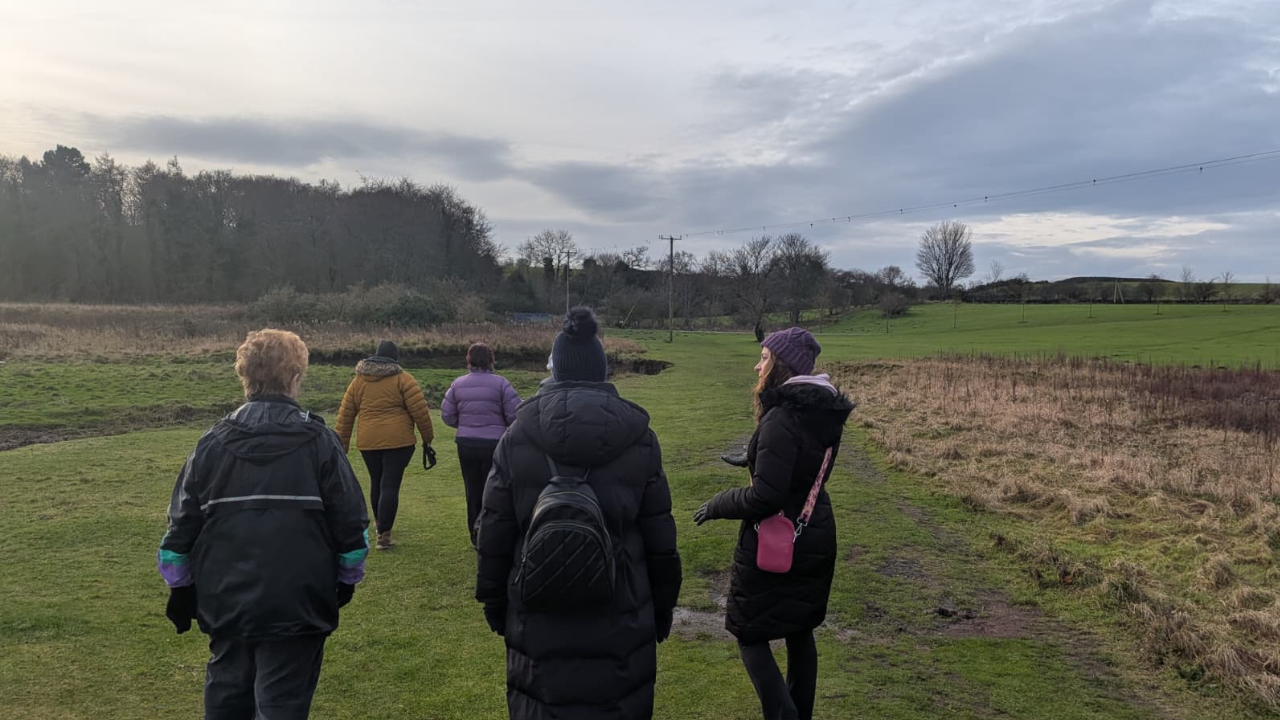
A group of people on a Wellbeing Walk
One statistic shared during the evening was that approximately 135 people are affected by each suicide.
I found that incredibly powerful.
When suicide begins to feel like an option, a person may feel completely alone. They may believe that others would be better off without them, or that they have become a burden. Their pain may have narrowed their view of the world so much that they can no longer see the connections surrounding them.
Yet each life reaches further than any of us can fully understand. Through family, friendships, workplaces, neighbourhoods and communities, we are all connected. When one person dies by suicide, the effects travel outwards, touching many more lives than that person may ever have imagined.
It made me think even more deeply about the importance of connection, and about the part that communities and organisations such as Pause & Breathe can play in creating it.
We Need to Become Less Afraid of the Conversation
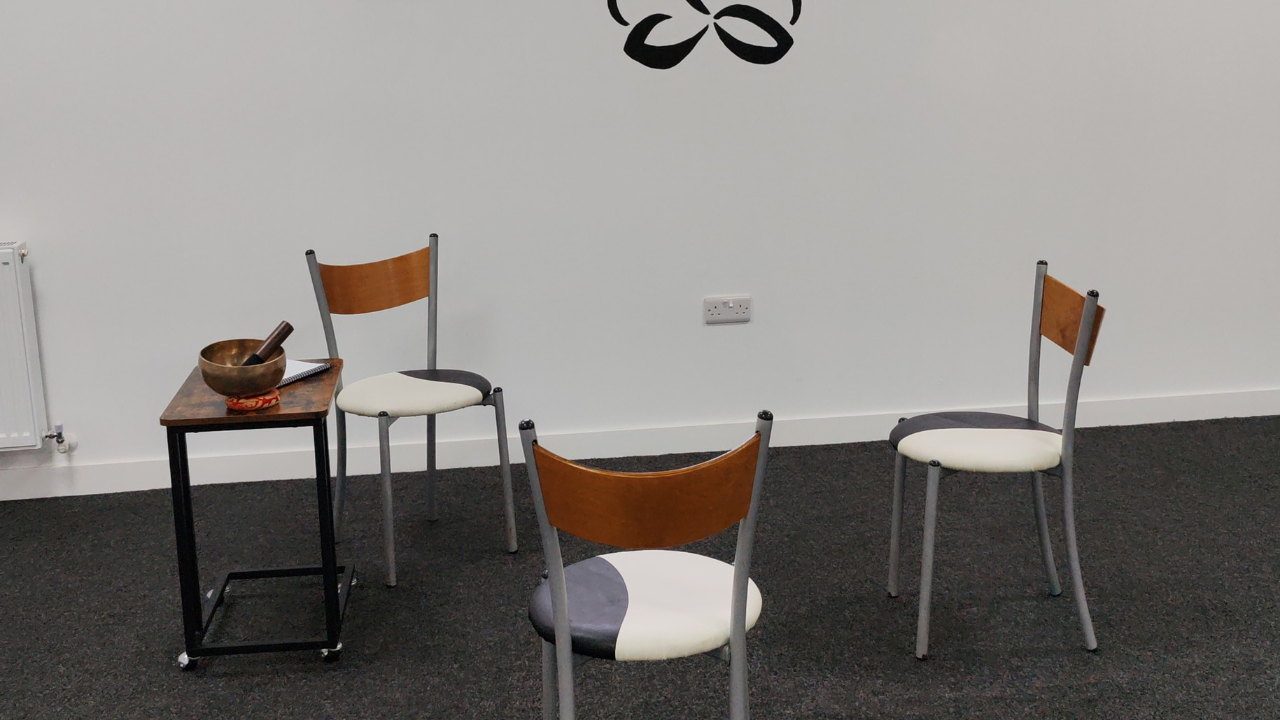
Chairs set up for a 2:1 session
When I left the screening, I felt keen to bring some of its messaging back to our own community.
Many people are still afraid to talk about suicide. We worry about getting the words wrong, causing offence or somehow making things worse. We might notice that someone does not seem like themselves, or hear them talking about being a burden, not wanting to be here or feeling that there is no point in carrying on. Yet fear can stop us from asking what they really mean.
Talking directly about suicide does not put the idea into somebody’s head. If you are worried about someone, Suicide Prevention Scotland and NHS Inform recommend asking clearly: “Are you thinking about suicide?”
There may be an enormous sense of relief in hearing that question. It gives someone permission to talk about what they have been carrying. If suicide does feel like an option, the conversation creates an opportunity to listen and help them find further support. If it does not, they can tell you that too.
We do not need to have all the right words or know how to solve everything before we ask. We need to be willing to listen, to take the answer seriously and to help the person connect with appropriate support.
Having these conversations also helps people affected by suicide—whether through their own thoughts or the death of someone close to them—to feel less alone and less stigmatised.
Perhaps part of changing the way we talk about suicide is changing the question from “What’s wrong with you?” to “What went wrong?”
The second question leaves room for someone’s story. It recognises that pain has a context and that experiences of trauma, loss, isolation, inequality and adversity can all shape how somebody feels.
Prevention Begins Before Crisis Point
Crisis services and mental-health professionals have a vital role in suicide prevention, but prevention cannot belong to them alone.
It begins much earlier—in homes, workplaces, schools, friendship groups and communities. It can begin wherever people are made to feel welcome, valued and able to speak honestly about how they are.
Support does not always look like a formal intervention. Sometimes it looks like being welcomed by name. It might be a familiar place to go each week, a cup of tea, a shared activity or someone noticing that you have not been yourself lately.
It can be the experience of spending time with other people without having to explain what you are going through.
We may never know how important one of these seemingly ordinary moments has been to someone.
Somewhere You do not Have to Pretend
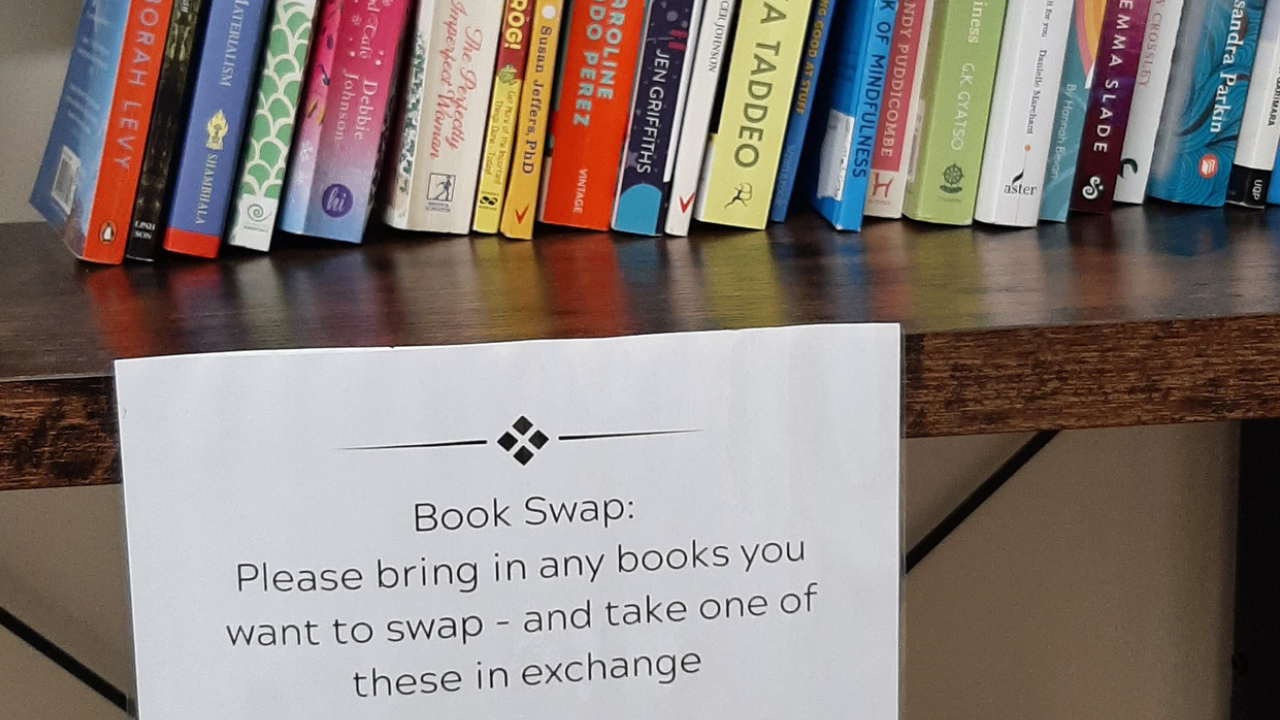
The book swap in reception at The Place to Pause & Breathe
At Pause & Breathe, we want people to know that they can come as they are.
There is no expectation that someone must arrive feeling calm, positive, confident or sociable. A person may be having a good day, struggling through a difficult week or carrying something they have lived with for years. There is space for all of that, and space for everyone.
We try to welcome each person as they come through the door. There are no saved seats or places where newcomers cannot sit, and we work hard to prevent cliques from developing.
Our reception area has sofas where people can take some time away from the main space whenever they need it. People can make themselves a hot drink, browse the book swap and take home something that catches their attention. Reduced-cost places are available for the vast majority of what we offer because financial circumstances should not become another barrier to experiencing connection and support.
And then there is Phin, my dog, who is often at the centre offering his own kind of welcome. He seems to have an instinct for recognising when someone is having a difficult day and will often choose to sit beside them. There are no questions to answer and nothing that needs to be explained—just the warmth and steady companionship of another living being.
This too is part of creating a place where people can feel safe and connected. Sometimes care is found in conversation. Sometimes it is a hot drink, a comfortable sofa or a dog choosing to sit by your side.
These might sound like small details, but together they help to communicate something important:
You are welcome here. You do not have to pretend. You belong.
The Part Community Spaces Can Play
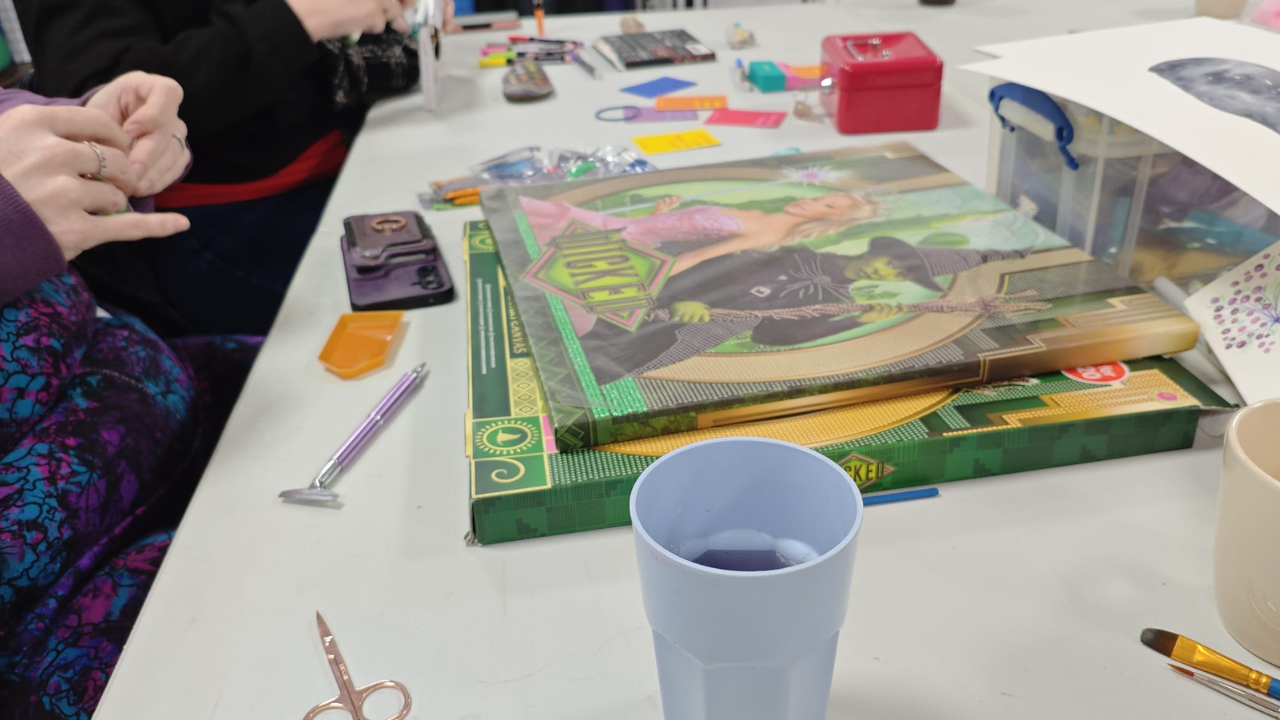
People crafting at one of our Craft Cafes
Although we are not a crisis centre, and we cannot always know what someone is carrying, we can always offer a friendly welcome, a safe space to be yourself and the opportunity to form connections and feel less lonely.
We can help create spaces where people are seen before they reach crisis point. We can build relationships in which someone might feel more able to say that they are struggling. We can notice changes, listen for what may be sitting beneath someone’s words and become more confident about asking a direct question when we are worried.
And when somebody needs specialist help, we can support and encourage them to reach it.
This is part of the wider community approach to suicide prevention. No yoga class, creative workshop, walking group or conversation over a cup of tea can carry the whole weight of someone’s pain. Yet each can become part of a network of connection—one more place where a person knows that their presence matters.
Starting the Conversation
This World Suicide Prevention Day, I would encourage all of us to become a little less afraid of talking about suicide.
If someone seems unusually low or unlike themselves, listen carefully. If they talk about being a burden, not wanting to be here or believing that others would be better off without them, do not be afraid to ask what they mean.
And if you are worried, ask directly:
“Are you thinking about suicide?”
You do not have to ask perfectly. Ask with care, be prepared to listen and help them connect with further support if they need it.
Suicide prevention is not something that begins and ends on one awareness day. It is present in the communities we create, the connections we nurture and our willingness to make space for difficult conversations.
We can keep noticing one another. We can keep listening. We can keep creating places where people are welcome exactly as they are.
Because there is space for everyone.
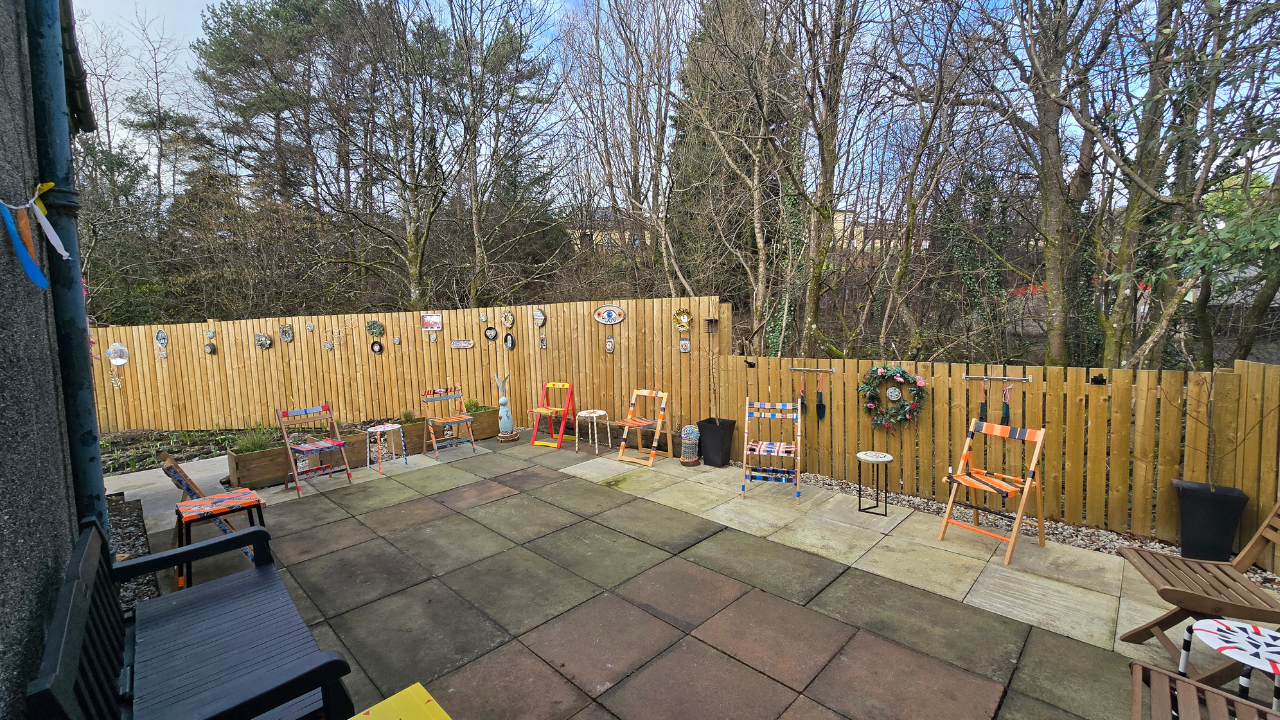
The garden at The Place to Pause & Breathe, with chairs set out ready for conversations to begin
Finding Support
If someone’s life is in immediate danger, they have seriously harmed themselves or taken an overdose, phone 999 or go to the nearest A&E.
In Scotland, phone NHS 24 on 111 and choose the mental-health option if you are experiencing suicidal thoughts or need urgent mental-health support.
You can call Samaritans free on 116 123, at any time of the day or night.
You can also find advice, information and local services through Suicide Prevention Scotland.
This blog was written by Susie Hooper - one of the founders of Pause & Breathe, and our CEO. She was a Social Worker in the Justice Services for 20 years, and has had many conversations about suicide. She is a big believer in talking about difficult things, and doesn’t shy away from emotive conversations.