The Benefits of Dancing for Mind and Body
post by Pause & Breathe co-founder Susie Hooper
Dancing is often thought of as something light or recreational, but its impact can be far more meaningful than we sometimes give it credit for. Dancing for wellbeing supports both physical and emotional health, offering a way to lift mood, ease stress and reconnect with the body. As a form of mindful movement, it creates space to step out of the busyness of everyday life and into a more grounded, present experience.
When we dance, we are not just exercising. We are engaging with our bodies in a way that allows expression, creativity and release. Dance for mental health can be a powerful support, helping to regulate the nervous system and shift how we feel without needing to find the right words. It invites us into an embodied practice, where we can notice sensation, respond to music and move in a way that feels natural rather than prescribed.
My Personal Journey with Dance
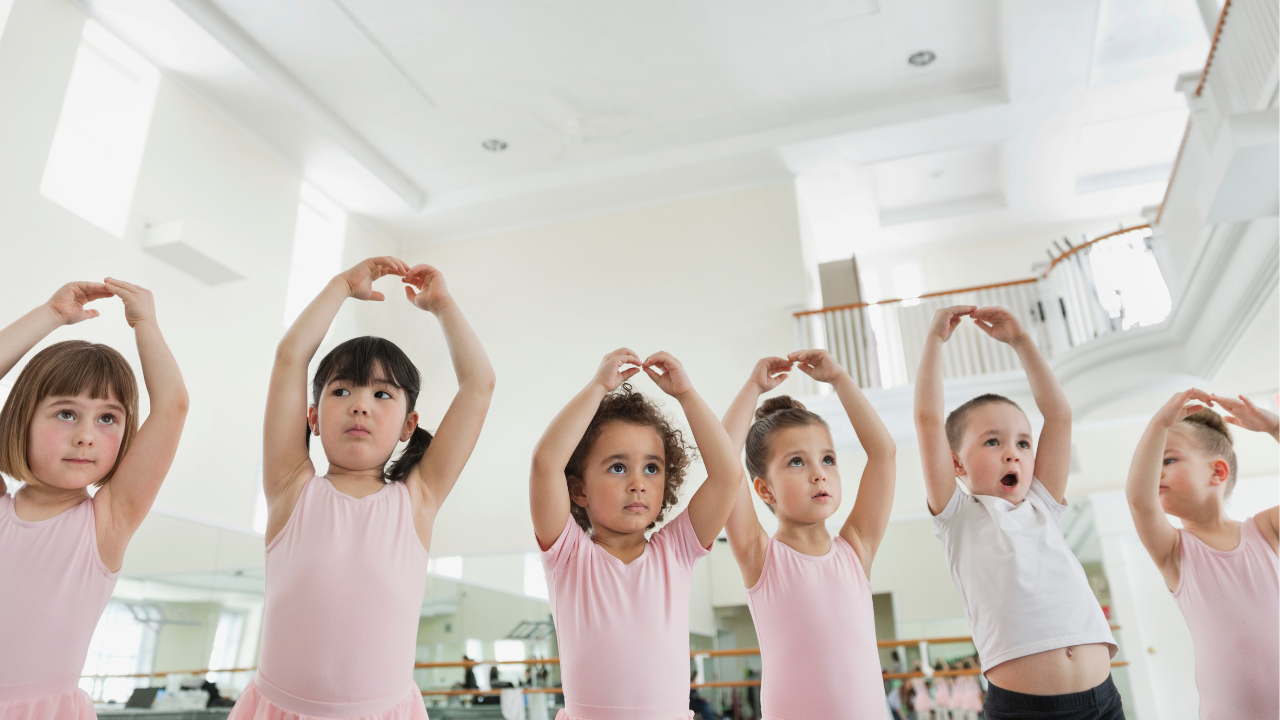
My own relationship with dance has changed shape many times over the years. As a child, I trained in ballet, where there was a strong focus on technique, posture and precision. I appreciated the discipline and structure, although it also shaped an early sense that movement was something to be done “correctly,” rather than something to explore.
In my teens and twenties, dance became more social and expressive. Nights out, music, shared experiences on the dancefloor, and later the joy of dancing at weddings and celebrations. It became something that connected me to others and allowed a sense of freedom, even if I didn’t consciously think about it in those terms at the time.
As life became busier, dancing gradually became less present. In my late 30’s and into my 40’s, it was no longer something I made space for. Like many people, I found myself more in my head and less connected to my body. Movement became functional, and something important had gradually stopped.
Rediscovering Movement Through Nia Dance
I came across Nia dance classes during a retreat, and the experience stayed with me from the very beginning. There was a noticeable difference in how it felt compared to other forms of movement. Rather than focusing on getting the steps right, the emphasis was on listening to the body and moving in a way that felt comfortable and supportive.
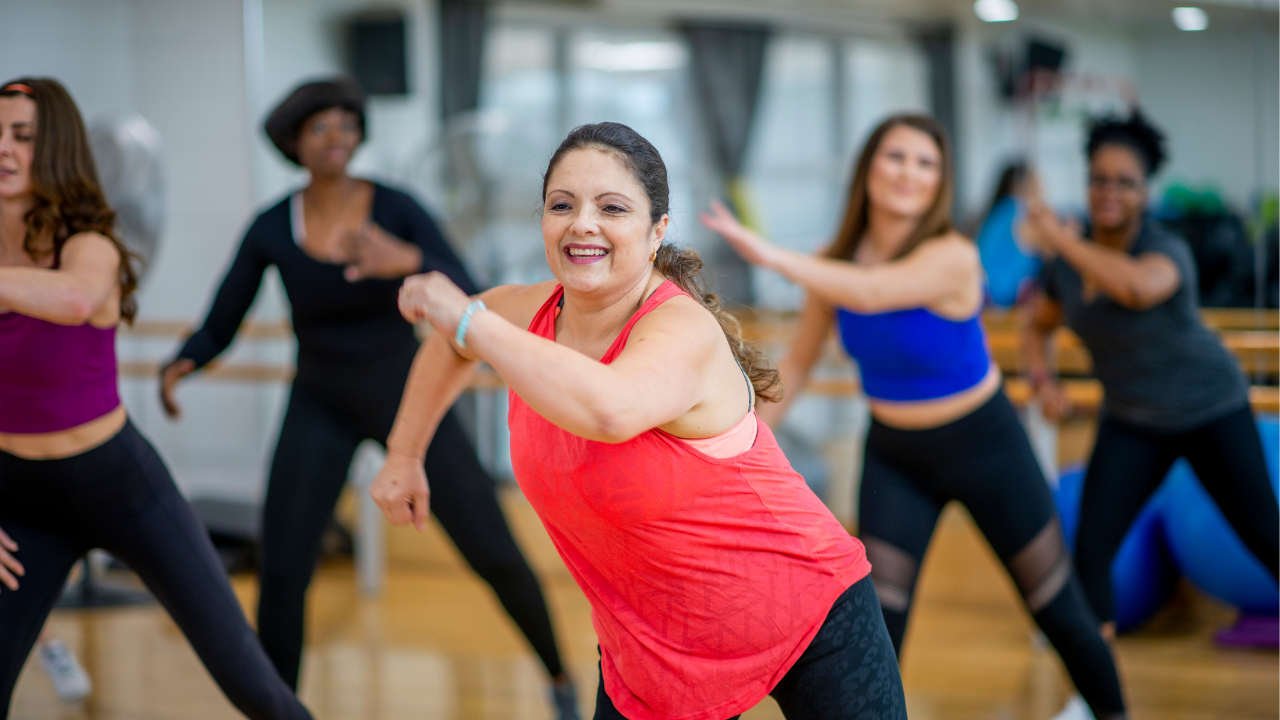
Nia technique blends dance, martial arts and mindful movement practices, creating a form of holistic fitness that supports both body and mind. What stood out most for me was the sense that there was no single “right” way to move. Instead, there was space to adapt, to explore, and to begin to trust my body again.
To me, this feels more than just a class. It feels like a process of relearning how to move, gradually becoming more aware of how my body wants to respond, and allowing that to guide me. There is a sense of release in letting go of held tension, and a joy in simply being present in the movement itself.
An Embodied Approach to Wellbeing
One of the things I value most about this kind of practice is the way it supports an embodied approach to wellbeing. Rather than focusing only on the mind, it brings attention back to the body as a source of information, expression and support.
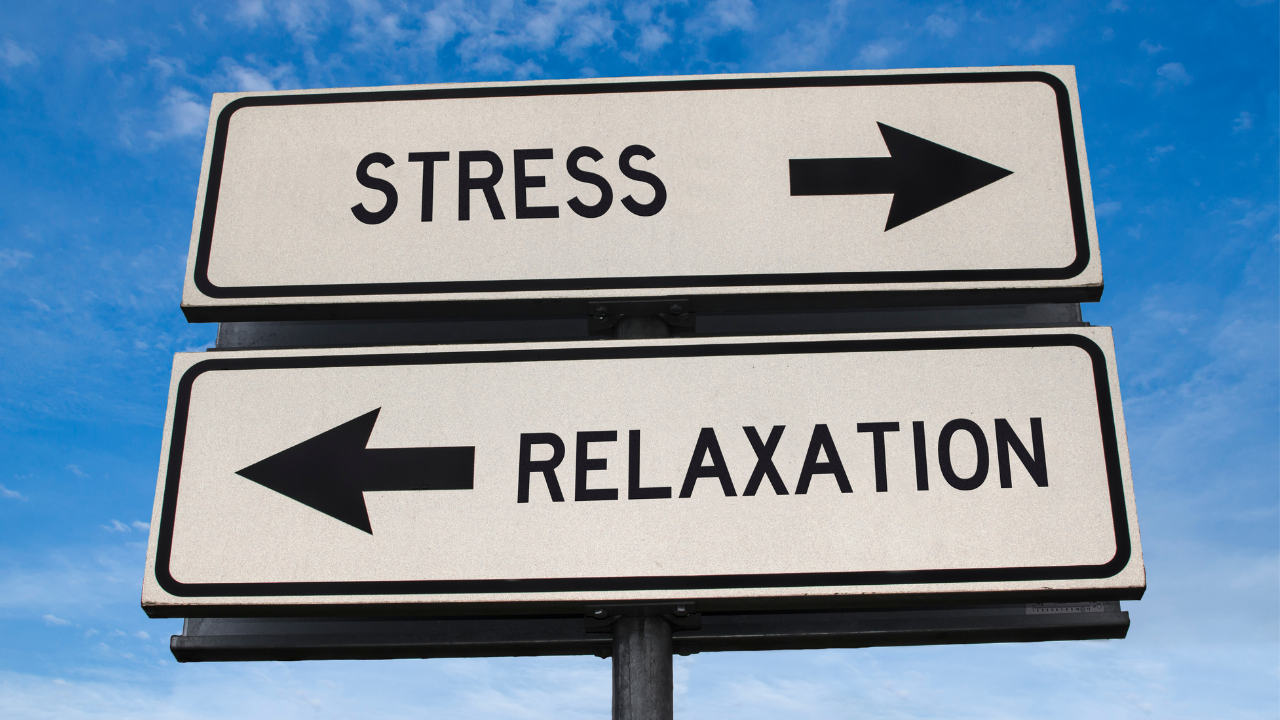
For many people, especially those managing busy lives or supporting others, this can be a meaningful shift. Movement for stress relief offers an opportunity to slow down, notice what is happening internally, and respond through the body rather than overthinking. Over time, this can build a greater sense of ease, confidence and connection.
This is not about performance or achieving a particular outcome. It is about creating space to move, to feel, and to reconnect in a way that feels sustainable and supportive.
Why I Chose to Train as a Nia Teacher
Deciding to train as a Nia teacher felt like a natural extension of my own experience. It was not about mastering a technique or presenting something polished, but about sharing a way of moving that had made a genuine difference in how I felt in myself.
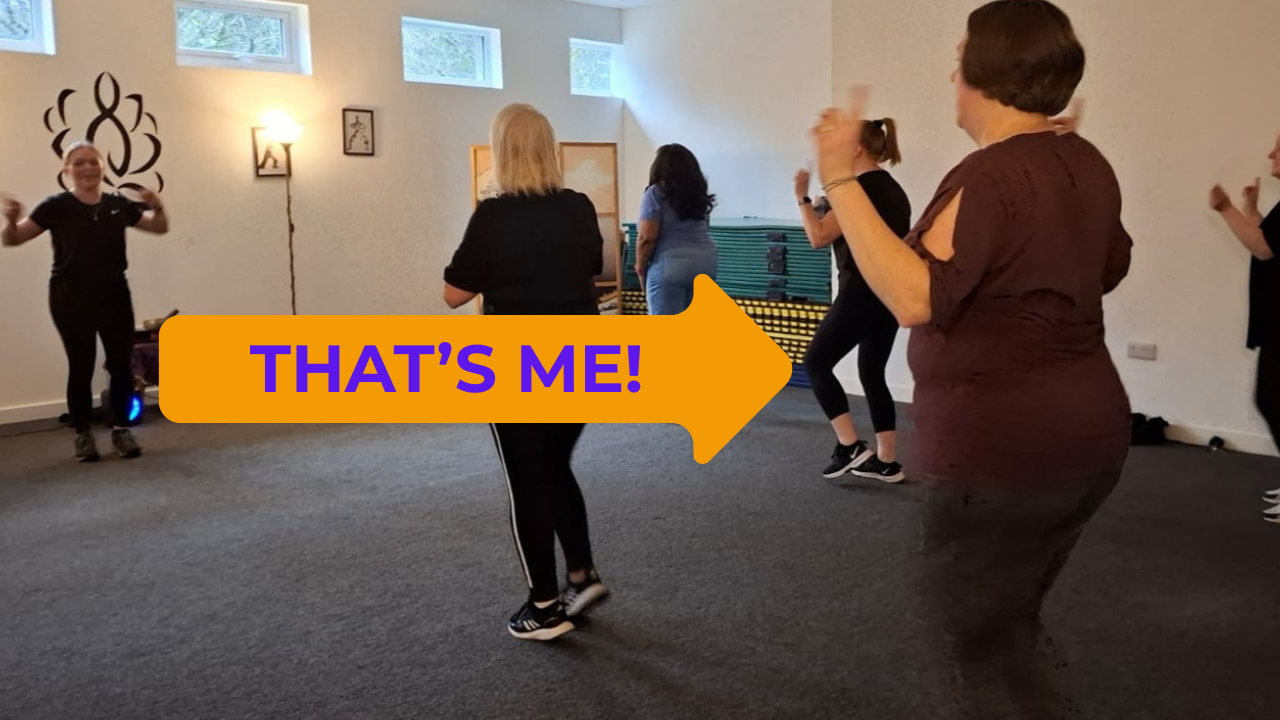
I wanted to create opportunities for others to experience that same sense of permission—to move in a way that feels right for their own body, without pressure or expectation. Many people come to dance classes for beginners feeling unsure, particularly if they have not danced for a long time. What I have seen is that, given the right environment, that begins to shift quite naturally.
Nia Dance Classes – Free Trials
With Nia dance classes starting soon, this feels like a good moment to invite people to explore what this kind of movement might offer.
I’m offering two free trial sessions:
Thursday 14th May, 7.15–8.15pm
Saturday 16th May, 9.30–10.30am
Regular weekly classes will follow after these sessions.
These classes are suitable for all levels, including complete beginners, and are designed to support movement for wellbeing, stress relief, and reconnecting with your body in a gentle and enjoyable way.
If you feel drawn to this, you would be very welcome to come along and experience it for yourself. Please email me to come along: susie@pauseandbreathe.co.uk
If you’ve missed the free classes, get in contact to come along to our regular, weekly sessions.
This blog was written by Susie Hooper - one of the founders of Pause & Breathe, and our CEO. She has always loved dancing, but let this fall away for many years. She has been enjoying rediscovering her love of it again - and is looking forward to sharing this in her community.