
How Animals Support Our Wellbeing
Discover how animals improve mental wellbeing, reduce stress, strengthen human connection and why protecting animals matters for us all.
Guest Blog, written by community member – Clare Moller
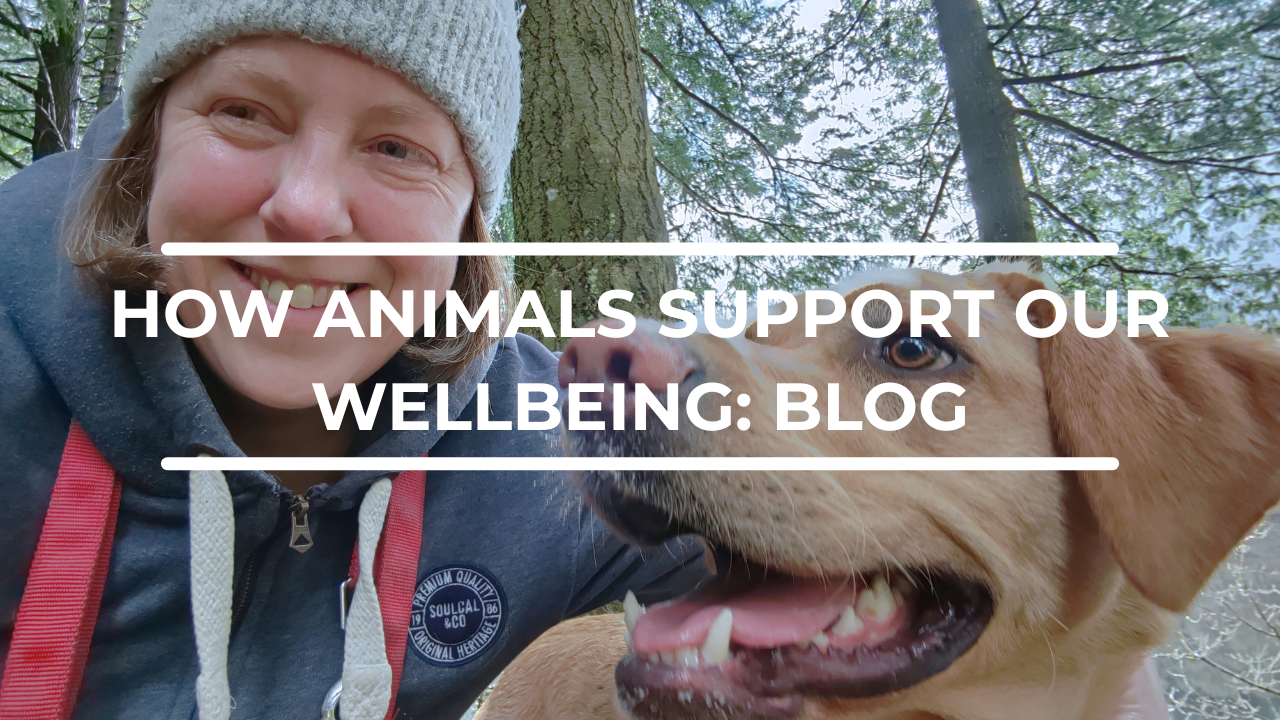
Picture of Pause & Breathe CEO Susie Hooper and her dog Phin
Animals are an important part of many people's lives. They are family, companions, and sometimes they are closer to us than other humans. The bond between people and animals is one of the most meaningful relationships we can experience.
This blog explores the mutual importance of the relationship between animals and humans. It looks at the emotional, physical and mental wellbeing benefits of sharing our lives with animals, why caring for an animal is rewarding for both humans and animals, and why animals are so important in nature and our wider world.
The Benefits of Animals for Human Wellbeing
This is such a wonderful subject for me to write about because it is something that almost everyone can relate to – the love of animals.
Just over a year and a half ago, I adopted a delightful little cat called Agnes. She has become my world and is one of the best things that has ever happened to me.

Blog author Clare’s cat Agnes
The benefits of having Agnes are endless. Like many people who share their lives with animal companions, what I receive from the relationship far outweighs what I give. Animals teach us so much, and they improve our lives in countless ways every single day.
Research continues to show that animals have a positive impact on both our physical and mental wellbeing.
The Benefits of Animals Include:
Stress Relief
Stroking a cat or a dog can reduce stress by triggering biological responses that lower the heart rate and help the body relax. This emotional comfort has been linked to many of the same calming benefits associated with deep meditation or prayer.

A hand stroking Phin the dog
Better Physical Health
Research from the American Heart Association has shown that living with animals may help lower cholesterol levels and reduce the risk of heart disease. Spending time with animals can stabilise heart rate, lower blood pressure and encourage people to be more physically active, especially through regular walks and outdoor activities.
For children, growing up with animals may also help strengthen the immune system and reduce the likelihood of developing certain animal allergies later in life.
The Feel-Good Factor
Spending time with animals releases oxytocin, often known as the "love hormone". Simply petting a dog or cat increases oxytocin levels in both the animal and the human, strengthening the bond between them while creating a shared sense of calm, connection and wellbeing.
This contributes to greater happiness and overall life satisfaction.
Learning Empathy
Animals often seem to understand our emotions without words. Many of us have experienced a dog resting its head on our lap after a difficult day or a cat quietly sitting beside us when we need company.
Their natural empathy reminds us of the importance of kindness and compassion. By observing animals, we can learn to show greater empathy towards one another.
Living in the Present
Humans often spend time worrying about the future or replaying the past. Animals, however, seem to find joy in the present moment. Whether it is enjoying a walk, chasing a toy or curling up somewhere warm, they remind us to appreciate life's simple pleasures.
Learning from this can help us become more mindful, reduce stress and appreciate what we already have.
Forgiveness
Animals experience disappointment too, but they rarely hold onto it. If we return home later than expected, they are simply happy to see us. They do not dwell on yesterday's mistakes but focus on the love and connection they share with us.
There is a valuable lesson in this. Letting go of resentment and practising forgiveness can have a positive effect on our own wellbeing.
Loving Unconditionally
Perhaps one of the greatest gifts animals offer is unconditional love.
They do not judge our appearance, our age or our achievements. They simply love us for who we are. In return, they encourage us to love more openly, more honestly and more compassionately, both towards others and ourselves.
The Mutual Benefits of Caring for Animals
The relationship between humans and animals is beautifully mutual. While we benefit enormously from their companionship, animals also benefit from the love and care we provide.

Phil from Pause & Breathe on the beach with Phin the dog
Humans experience improved health through reduced stress, lower blood pressure and healthier hearts. Animals benefit from veterinary care, protection from illness and injury, nutritious food and longer, healthier lives.
Animals bring joy, comfort and companionship into our lives, helping to reduce loneliness and sadness. In return, they receive affection, attention, play, mental stimulation and meaningful relationships that meet many of their natural needs.
For many people, animals encourage a more active lifestyle through walking and spending time outdoors, while animals receive a safe, warm home away from many of the dangers they would otherwise face.
Perhaps most importantly, caring for an animal gives many people a sense of purpose. It satisfies our natural instinct to nurture, creates healthy daily routines and reminds us that another living being depends upon us. That responsibility can reduce feelings of isolation and strengthen our sense of connection.
Animals benefit greatly from being loved, just as we benefit from loving them.
Why Animals Are Important to Our World
Animals are not only important in our homes but also throughout the natural world.
As habitats shrink and wildlife populations continue to decline, understanding the importance of animals has never been more essential.
Here are just a few remarkable examples.
Honeybees pollinate around one-third of the world's fruit and vegetable crops, making them vital for global food production.
Dogs can detect changes in human scent that may indicate emotions such as stress and fear.
Dolphins have been known to help fishermen by herding fish towards their nets and have also played an important role in therapeutic programmes supporting people living with PTSD, autism and depression.
Beavers are often called nature's engineers because their dams create wetlands that filter pollution, support wildlife and help store carbon.
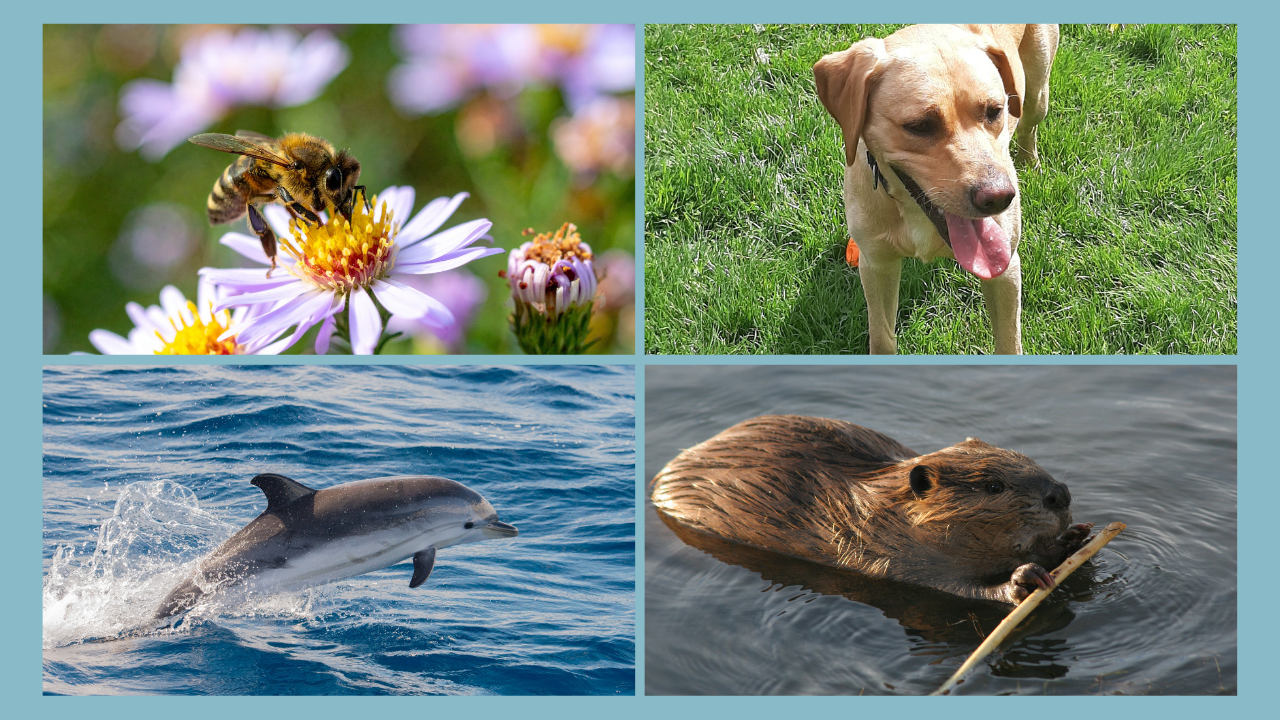
Four photos showing: a honeybee, Phin the dog, a dolphin and a beaver
These examples remind us that animals play an essential role in maintaining healthy ecosystems and supporting human life in ways we often take for granted.
What Animals Can Teach Us
Animals have much to teach us if we are willing to watch and learn.
They show us how to love without judgement, how to live in the present, how to forgive, how to care for one another and how to find happiness in life's simplest moments.

Four different images, all showing Phin the dog and Sox the cat together
Nature exists within all of us. Humans and animals share this world together, and our lives are deeply connected.
We need animals just as much as they need us.
Words to Reflect On
"Until one has loved an animal, a part of one's soul remains unawakened." — Anatole France
"They are not brethren, they are not underlings; they are other nations, caught with ourselves in the net of life and time." — Henry Beston
"Pets are the bridge between us and the beauty of all that is natural. They show us what's missing in our lives, and how to love ourselves more completely and unconditionally." — Trisha McCagh
"Animals are reliable, many full of love, true in their affections, grateful and loyal. Difficult standards for people to live up to." — Alfred A. Montapert
About the author: Clare comes to Pause & Breathe and has been involved in our community for the last 5 years. She has an interest in writing and shares her blogs with us regularly.